

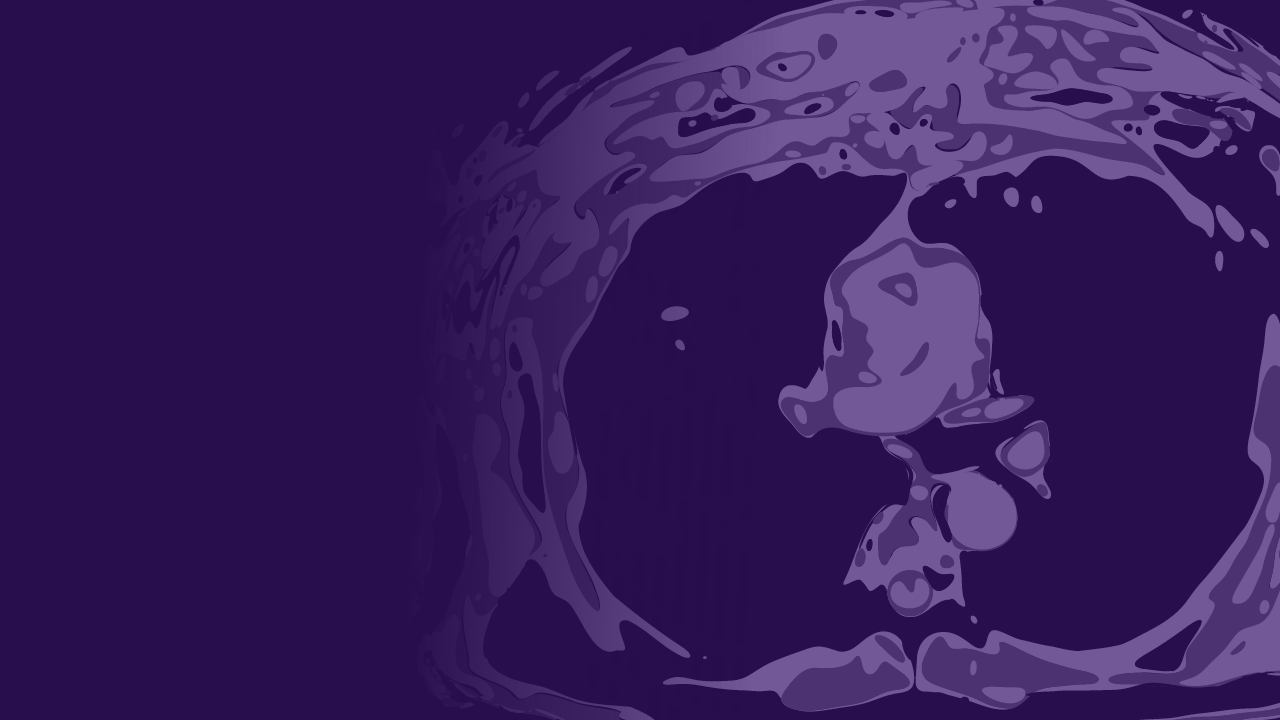
Chest TEST 1
06 Jul, 2026
20 year old presents with chest pain.
Test Your Knowledge
1. A post-partum patient presents with seizures. Which condition is the most likely diagnosis?
Sample answer. Migraine with aura would not typically cause new-onset seizures in a post-partum patient — look for venous abnormalities on imaging.
Sample answer. The post-partum period is a known pro-thrombotic state, and CVST classically presents with seizures, headache, and focal neurological deficits.
Sample answer. Eclampsia is on the differential, but imaging findings here favour a sinus thrombosis pattern.
Sample answer. PRES is a reasonable differential in the post-partum setting but imaging usually shows posterior parieto-occipital vasogenic oedema rather than venous thrombus.
2. Which imaging finding would best confirm the diagnosis?
Sample answer. MR venography demonstrating absent flow or a filling defect within a dural venous sinus is the most specific confirmatory finding.
Sample answer. Cortical ribboning suggests CJD or hypoxic injury — not the pattern here.
Sample answer. That points to acute arterial occlusion, not venous thrombosis.
3. A patient presents with upper limb weakness and headache. Which anatomic region is most likely involved?
Sample answer. Contralateral upper limb weakness localises to the motor strip in the frontoparietal cortex.
Sample answer. Cerebellar lesions typically present with ataxia rather than isolated limb weakness.
Sample answer. Occipital lesions usually present with visual symptoms.
Sample answer. Brainstem lesions usually involve cranial nerve findings alongside weakness.
4. Which imaging sequence is most sensitive for early ischaemic change?
Sample answer. T1 lacks early sensitivity for acute ischaemia.
Sample answer. DWI is the most sensitive sequence for detecting cytotoxic oedema within minutes of an ischaemic insult.
Sample answer. CT can miss early ischaemia in the first few hours.